Afghan Hashish
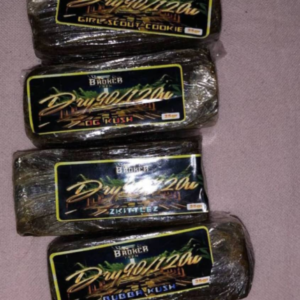
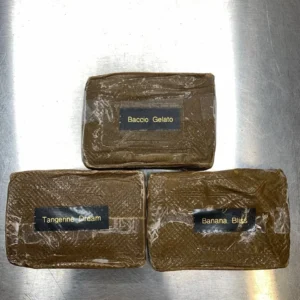
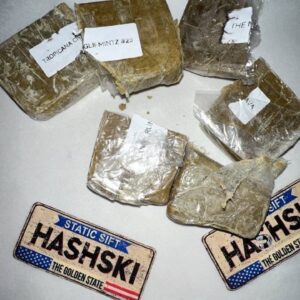
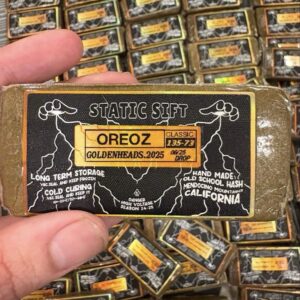
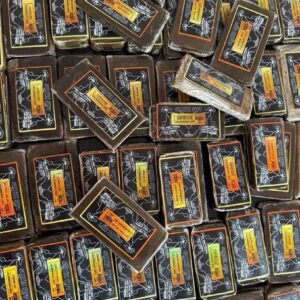
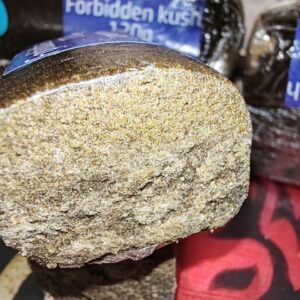
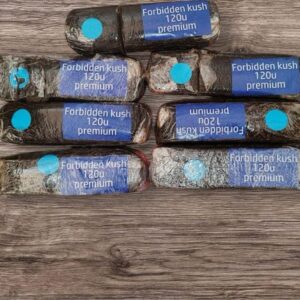
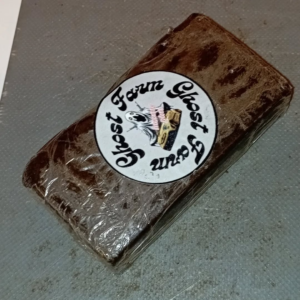
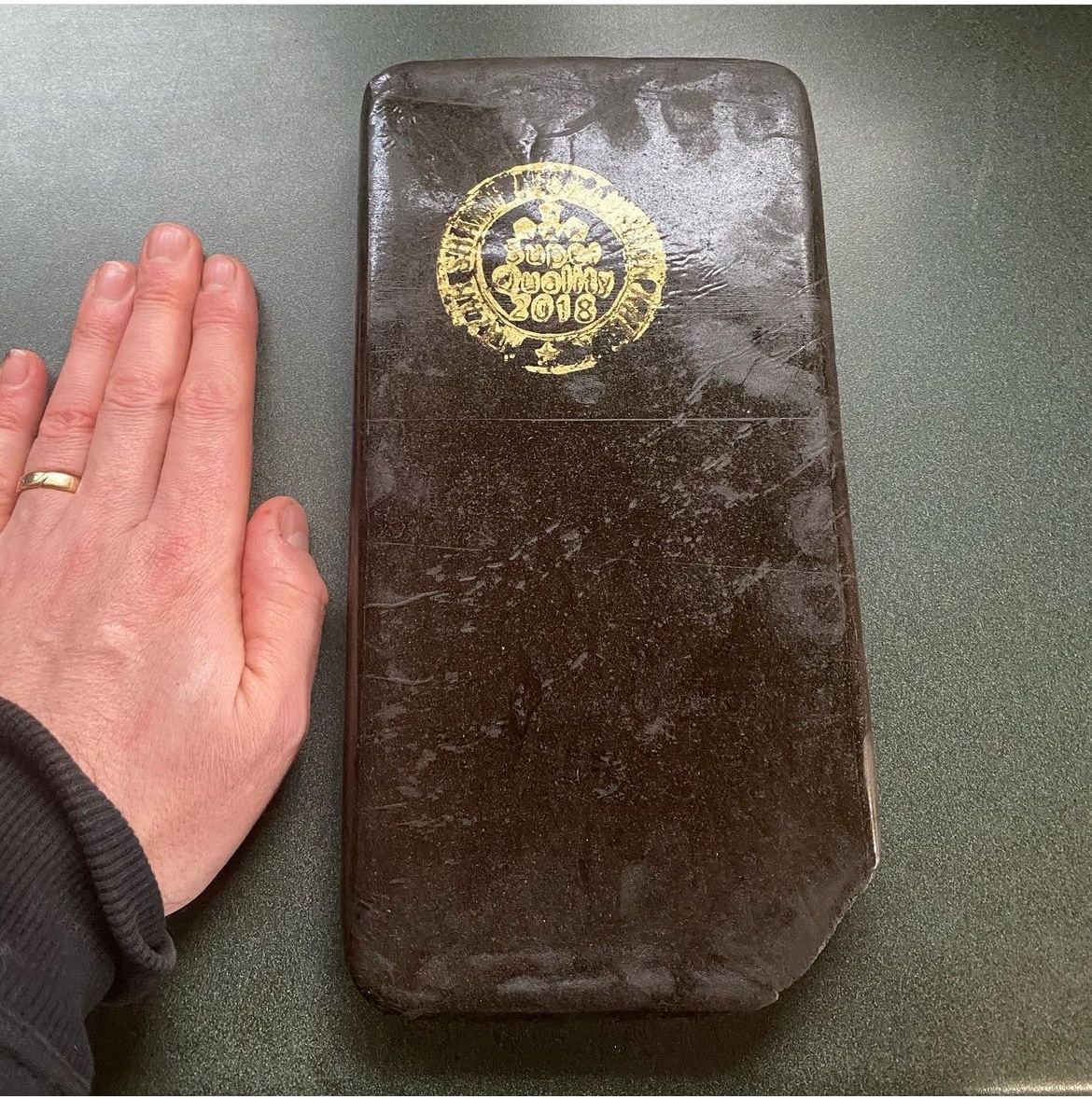
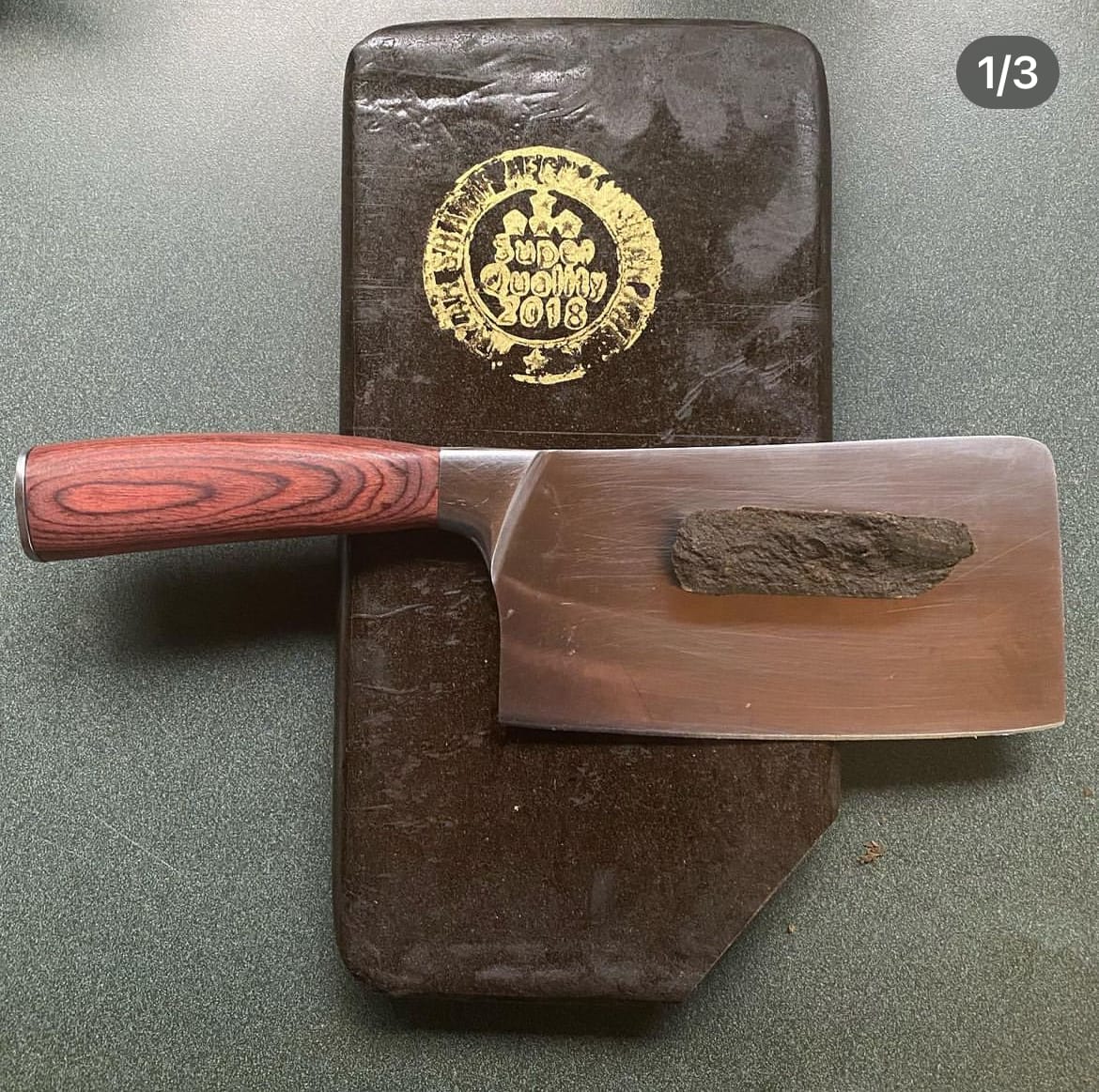
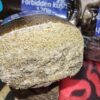
Afghan hashish, often simply called “Afghan hash,” ranks among the world’s most renowned cannabis concentrates and originates from the rugged, mountainous regions of Afghanistan.
Production Methods of Afghan black hash
Traditional producers make Afghan hash by hand-rubbing cannabis plants, a labor-intensive process that produces some of the purest forms of the concentrate.
Farmers (often women in rural villages) rub ripe female cannabis flowers between bare palms or over sieves in late summer/autumn, collecting sticky trichomes (resin glands containing THC, CBD, and terpenes).
This “charas” or hand-rubbed hash is sifted through silk screens (grades like “silk screen #4” for finest powder) and gently pressed into balls or slabs without heat or additives—preserving terpene profiles like myrcene (earthy, musky) and limonene (citrusy). Yields are low: 1-3% of dry plant weight. Modern illicit methods include ice-water sieving (bubble hash) or mechanical pressing, but authentic Afghan favors dry-sift for its “blonde” to dark brown hues.
Evidence from forensic analysis (e.g., 2019 study in Journal of Forensic Sciences) confirms high purity, with THC levels of 20-40% in premium samples, far exceeding many commercial hashes.

Afghan black hashish Characteristics and Varieties
Top varieties include:
- Balkhi: Golden-blonde, floral, uplifting high (THC-dominant, 25-35%).
- Mazar-i-Sharif: Dark, spicy, sedative body stone from northern plains.
- Kandahar: Black, tar-like, potent with earthy-pine notes.
- Tirah Valley: Rare, reddish-brown, hash-plant hybrid with caramel undertones.
Consumption, Effects, and Modern Relevance
Smoked in pipes, joints, or bongs, it delivers a heavy, cerebral-then-body high lasting 2-4 hours—euphoric, pain-relieving, appetite-stimulating. Edibles or vaporizing (at 180-220°C) maximize terpenes. Medicinally, its CBD:THC ratios aid insomnia and nausea, aligning with emerging studies (e.g., 2020 Frontiers in Pharmacology on indica extracts). In the West, Afghan genetics influence strains like Northern Lights and Afghan Kush, revived via seed banks post-2001. Legality varies: banned in Afghanistan (death penalty under Taliban), Schedule I in the US, but decriminalized in places like Malta.
Challenges and Future
Production faces climate change (droughts cut yields 30%, per 2023 FAO reports), synthetic cannabinoids, and geopolitics. Legalization trends could shift paradigms, with Morocco’s regulated hash model as precedent. Connoisseurs value its authenticity—lab tests (e.g., Steep Hill Labs) show minimal contaminants versus adulterated imports.


Reviews
There are no reviews yet.